Filed under the Horizon Europe programme of the European Union, the MSCA stands for Maria Skłodowska Curie Action. This initiative is one of the oldest running EU programmes, namely for international mobility of researchers. It became more and more structured through the years, given its success both in terms of participation and results.
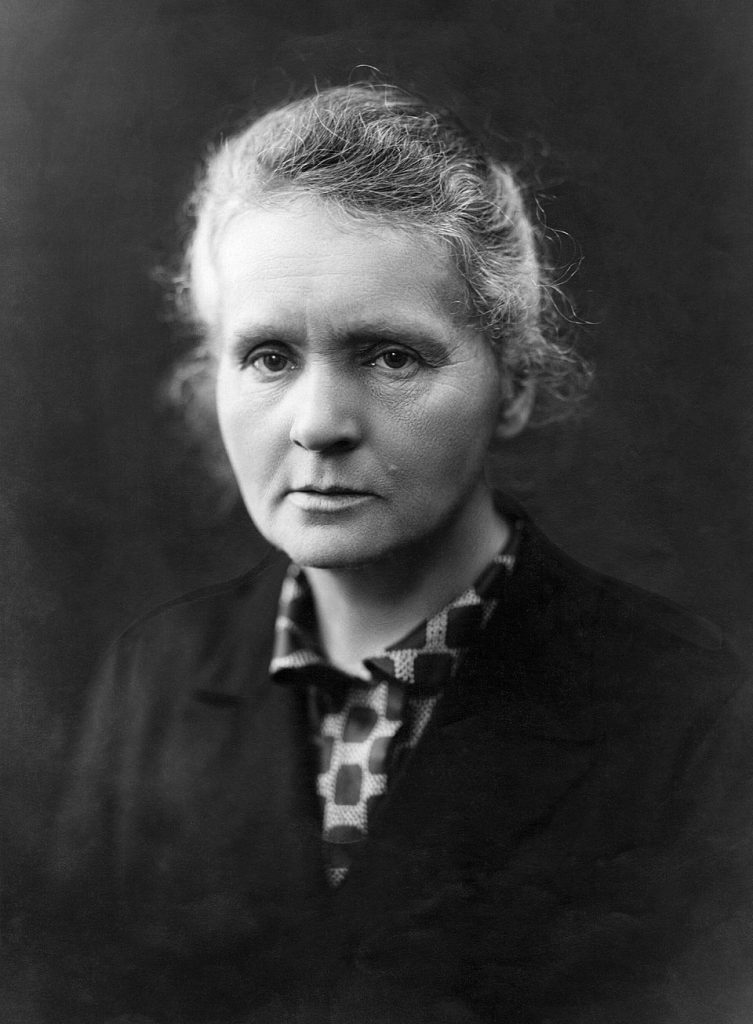
The action in named after French-Polish scientist Maria Skłodowska Curie, who followed her older sister Bronisława, from Warsaw to Paris to be able to continue her studies (otherwise forbidden in Poland for being a woman).
While studying she fell in love with her future husband Pierre, with whom she will be a trail-blazer in science, discovering the first principles of radioactivity.
So today the MSCA is an international scheme to allow scientific researchers to move and work abroad, to accelerate their paths to progress and make it available to society.
The MSC Action funds different kind of project, one of whom is the so-called doctoral network.
A doctoral network means that several PhD candidates, recruited internationally (also beyond Europe) on very competitive grounds once they have finished their master degree, they are hired and grouped under a specific scientific research topic.
In the field of scientific research this programme is very well know, thanks to its longevity but especially to its consistency in delivering high quality results in terms of excellence of science, making it one of the world leading platforms for interdisciplinary scientific projects framed as a path for PhD candidates.
Every year around 140 projects are funded by the MSCA. One of the projects currently running is called Functiglass and its coordinator is the CNRS, in particular the Institute for Physics in Nice (France).
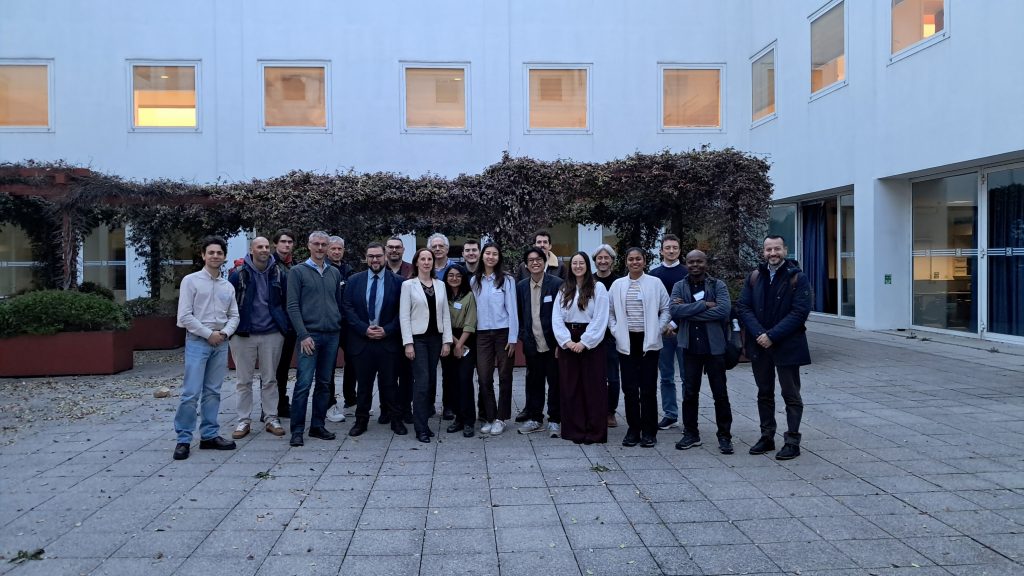
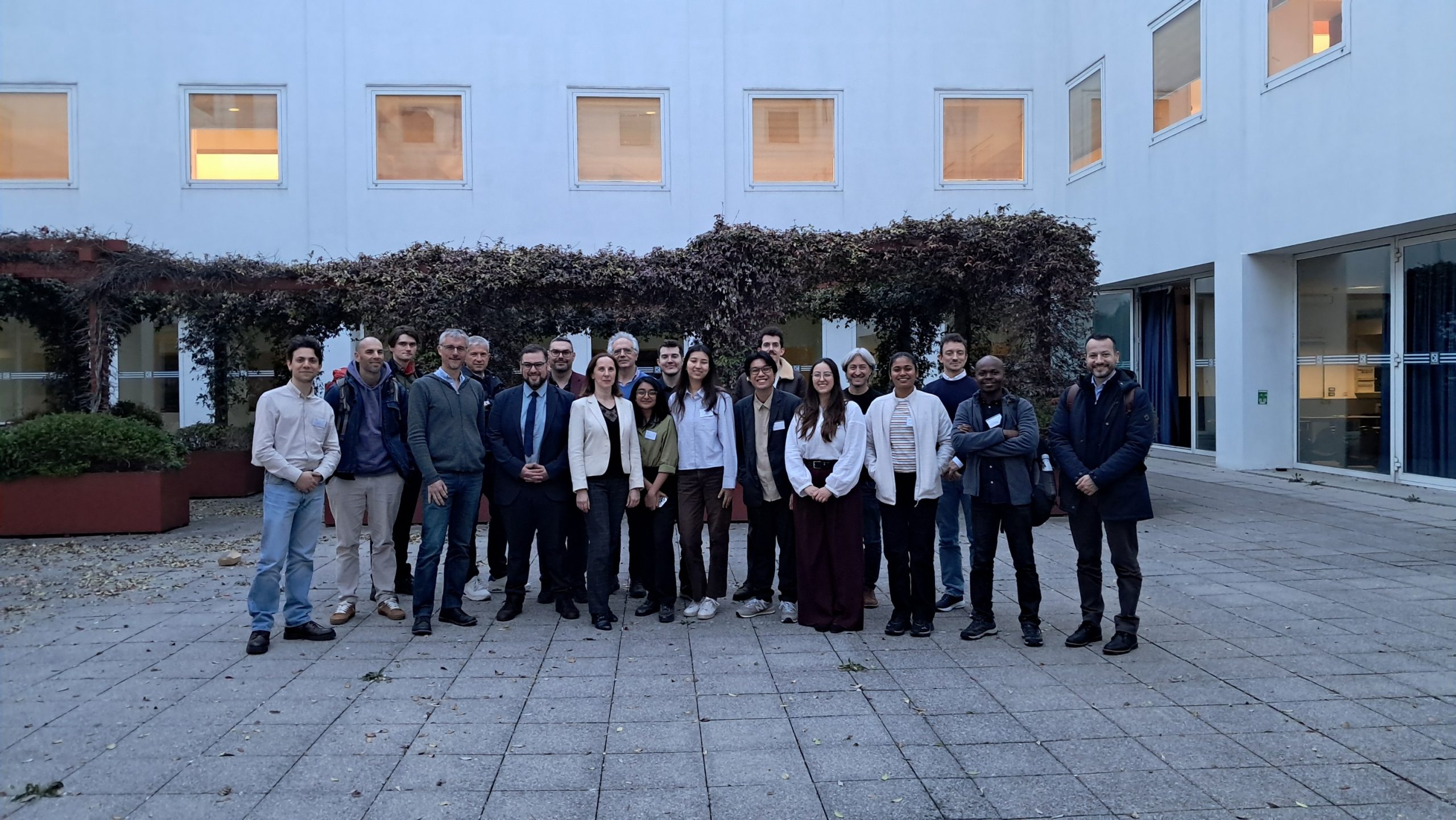
FunctiGlass is a European doctoral network that runs from 2025 to 2030. It trains 11 PhD candidates in structured functional glasses, combining advanced materials science, photonics, and health‑related applications.
The project is important because it develops new glass materials for cutting‑edge technologies such as lasers, sensors, and biomedical devices, while building a skilled research workforce across Europe. By cofunding 11 doctoral candidates through a joint, interdisciplinary, double‑degree model, FunctiGlass strengthens innovation and long‑term competitiveness in the European glass and high‑tech sector. The international scheme foresees a system of secondments, meaning the temporary transfer of an official or worker to another position or employment. This applies to the doctoral candidates of the MSCA programme because they are hired as employees and not considered to be students. The MSCA enjoys also a good reputation among the students, as it is usually associated with better wages that regular national PhD contracts. In the case of Functiglass, the doctoral network is considered to be a Joint doctorate as each young researcher is enrolled in Two different institutions at the same time. The research work is punctuated every 6 months by a “school”, one week of intense lectures to shape the scientific projects but also to support the development of transversal skills in the field of communication and entrepreneurship. The first school for Functgilass took place in Milan from March 16 to March 21 2026, but that is something for the next episode.